Probate
How Long Does Probate Take in California? Selling Before It Ends
Most California probates take 9 to 18 months from filing to final distribution, and contested or complicated estates can take longer. The good news for families: the house usually does not have to wait for probate to close. Once the court issues Letters to the executor or administrator, the property can be listed and sold, often within the first few months.
Key takeaways
- Typical probate: 9–18 months from petition to final distribution.
- Selling can start once Letters are issued, often 1–3 months after filing.
- Creditors get four months after Letters to file claims, so the estate can't close before then.
- Full authority (IAEA) sales close faster; court-confirmed sales add a hearing and overbids.
The California Probate Timeline at a Glance
Every county runs on its own calendar, but the legal milestones are the same statewide.
| Stage | Typical timing | What happens |
|---|---|---|
| Petition for Probate filed | Day 1 | The proposed executor or administrator files with the superior court in the county where the decedent lived. |
| Notice and first hearing | Often 1–3 months after filing | Notice is published in a local newspaper (Probate Code §8121) and mailed to heirs at least 15 days before the hearing (§8110). |
| Letters issued | Shortly after the order | The representative now has legal authority to act for the estate, including selling real property. |
| Inventory & appraisal | Within 4 months of Letters | Assets are listed and real property is appraised by the court-appointed probate referee (§8800). |
| Creditor claim period | 4 months after Letters | Creditors generally have four months from the issuance of Letters to file claims (§9100). |
| Sale of the house | Any time after Letters | Listed, marketed and sold under full or limited authority (below). |
| Final accounting & distribution | Usually 9–18 months in | The court approves the final petition and assets, including sale proceeds, are distributed. |
Can You Sell the House Before Probate Closes?
Yes. Waiting for probate to finish is rarely necessary and often costly: vacant homes still need insurance, utilities, maintenance and property taxes. How the sale works depends on the authority the court granted, which is stated on the executor’s Letters.
Full authority (IAEA)
With full authority under the Independent Administration of Estates Act, the house is sold much like a private sale. After accepting an offer, the representative serves a Notice of Proposed Action on heirs and beneficiaries. If no one objects within the notice period (Probate Code §10586), escrow can close on a normal timeline, with no court hearing and no overbids.
Limited authority (court confirmation)
With limited authority, the sale must be confirmed by a judge. The representative files a Report of Sale and Petition for Order Confirming Sale (§10308), and at the hearing other buyers may overbid. The accepted price must also be at least 90% of the referee’s appraisal (§10309).
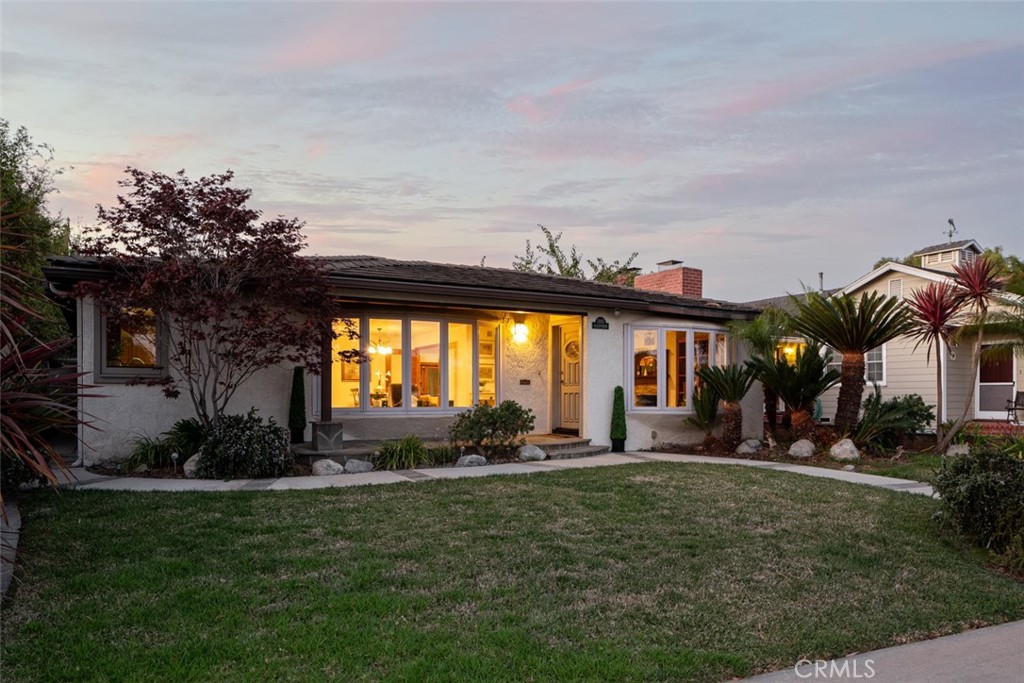
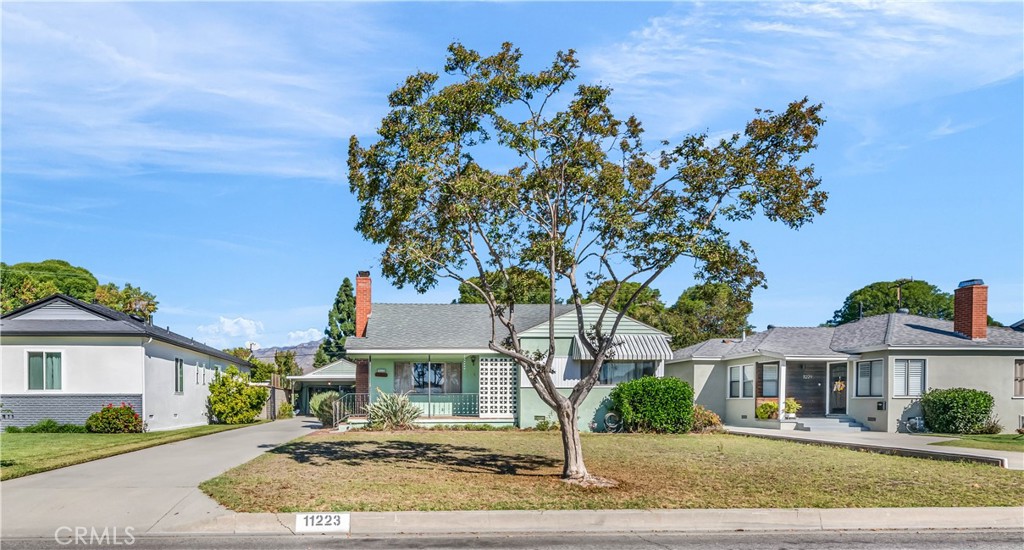
In our La Cañada Flintridge sale above, the confirmation hearing was held at the Stanley Mosk Courthouse and escrow closed 18 days later. Use our probate overbid calculator to see what the minimum overbid would be on an accepted offer, or compare both paths on our full vs. limited authority guide.
What Slows Probate Down
- Will contests or family disputes. Objections can add months, especially if they reach trial.
- Missing or hard-to-locate heirs. Notice requirements must be satisfied before the court acts.
- Property problems. Tenants or relatives in the home, title issues, liens, reverse mortgages or deferred maintenance.
- Court calendars. Large courts — Los Angeles in particular — can set hearings weeks or months out.
- Creditor and tax issues. Disputed claims or tax filings can delay the final accounting.
How to Keep the House Sale on Schedule
- Get a broker involved before Letters issue so pricing, repairs and occupancy planning are ready on day one.
- Secure and insure the property and keep utilities on for inspections and showings.
- Resolve occupancy early. A vacant home almost always sells for more and faster.
- Fund improvements without estate cash. Programs like Compass Concierge can front staging and repairs until closing.
- Use probate-specific contracts so buyers understand the notice period or court confirmation from the start.
Frequently Asked Questions
Can an executor sell a house before probate is finished?
Yes. Once Letters are issued, the executor or administrator can sell real property, subject to the notice requirements of full authority or court confirmation under limited authority.
How long does it take to sell a house in probate?
A full-authority sale can close on a timeline similar to a standard sale once the notice period passes. A court-confirmed sale usually takes longer because escrow waits for the hearing and the signed order.
Do all heirs have to agree to the sale?
Under full authority, heirs who receive a Notice of Proposed Action can object, which forces court supervision. Under limited authority, the judge decides at the confirmation hearing.
Can probate be avoided entirely?
Assets held in a living trust generally pass outside probate, and small estates may qualify for simplified procedures. Your estate planning attorney can advise on your situation.
Selling a home in probate in Los Angeles, Orange or San Diego County? Talk with our attorney-led team about timing and strategy, or request a free valuation to see what the property is worth today. Learn more about our probate sales services.
This article is for general information only and is not legal or tax advice. Consult a qualified attorney about your situation.