Probate
Selling a Conservatee's Home: Probate Code §2540–2543 Guide
A California conservator can sell the conservatee’s home, but only after telling the court about the plan, discussing it with the conservatee, and proving by clear and convincing evidence that there is a compelling need to sell for the conservatee’s benefit. The sale itself then follows the court-confirmation rules used in probate, including a current appraisal, the 90% minimum price and open overbidding, unless the court has granted independent power to sell the residence.
Key takeaways
- The home is presumed best: the law presumes the conservatee's own home is the least restrictive place to live (§2352.5).
- Tell the court first: the conservator must notify the court and report the conservatee's view before committing significant resources to a sale (§2540).
- Higher standard: the court may authorize the sale only on clear and convincing evidence of a compelling need (§2541.5).
- Fresh appraisal: an appraisal more than six months old generally must be updated before the confirmation hearing (§2543(c)).
Why Is Selling a Conservatee’s Home Treated Differently?
Most property in a conservatorship estate can be sold whenever the sale is for the conservatee’s “advantage, benefit, and best interest,” to pay debts, or because income is not enough to support the conservatee (Probate Code §2541). The personal residence is the exception. The Legislature treats a person’s home as more than an asset: it is where they live, or where they may return.
Two rules set the tone before any sale is discussed:
- The home is presumed to be the right place to live. Under §2352.5, the conservatee’s personal residence at the start of the case is presumed to be the least restrictive appropriate residence. After appointment, the conservator must evaluate the level of care needed and what it would take to keep the conservatee at home. If the conservatee was already living elsewhere, the conservator must either plan a return home or explain why that is not possible in the foreseeable future.
- Moving the conservatee requires notice. Absent an emergency, a conservator who plans to move the conservatee out of their personal residence must deliver notice of that intention at least 20 days before the move to the people entitled to notice (§2352(e)(3)).
Selling the house is a separate decision from moving the conservatee, but in practice the two are linked: the court will want to know why the conservatee cannot live there now, and why alternatives will not work.
What Does Probate Code §2540 Require Before a Sale?
Section 2540 adds a disclosure step that applies to the conservatee’s present or former personal residence. When seeking authority to sell it (or to partition it), the conservator must tell the court:
- That the residence is proposed to be sold.
- That the conservator has discussed the sale with the conservatee.
- Whether the conservatee supports or opposes the sale.
- The circumstances that make the sale necessary, including whether the conservatee is able to live in the home and why alternatives, such as in-home care, are not available.
The court may ask the court investigator to speak with the conservatee about the proposal.
Timing matters. That notice must reach the court before the conservator commits any significant resources to the sale, unless the conservatee has capacity and unequivocally consents, or exigent circumstances require spending before court approval (§2540(c)).
What Is the “Compelling Need” Standard Under §2541.5?
Section 2541.5 says that, notwithstanding the ordinary grounds for sale in §2541, the court may authorize the sale of the conservatee’s present or former personal residence only if it finds by clear and convincing evidence that the conservator has demonstrated a compelling need to sell for the conservatee’s benefit.
That is a higher bar than “it would be convenient” or “the estate would earn more by investing the proceeds.” What counts as compelling depends on the facts, and building that record is the work of the conservator and their attorney. The kinds of facts that typically matter include the conservatee’s care needs, the cost of care compared with the estate’s other resources, the condition and carrying costs of the home, and the conservatee’s own wishes as reported under §2540.

How Does the Sale Work Once It Is Authorized?
Section 2543 borrows the probate sale rules. Conservatorship sales conform, “as nearly as may be,” to the rules for sales by an executor or administrator, including notice of sale, the minimum offer price, the report of sale and petition for confirmation, and the confirmation hearing. The Independent Administration of Estates Act (IAEA) procedures do not apply to these sales.
In a typical court-confirmed sale of a conservatee’s home, that means:
- Notice of sale is published in a newspaper in the county where the property is located (§10300).
- Terms need court approval. Sales are for cash, or part cash and part deferred payments secured by a deed of trust (§2542).
- The 90% rule applies. The accepted price must be at least 90% of the appraised value (§10309).
- The appraisal must be fresh. For a conservatee’s residence, if the last appraisal was done more than six months before the confirmation hearing, a new appraisal is required, unless the court finds it is in the conservatee’s best interest to rely on one no more than a year old (§2543(c)). The general probate rule allows up to a year.
- Report of sale and confirmation. The sale is reported to the court and confirmed before title passes (§10308). The court looks at the necessity or advantage of the sale and the efforts made to get the highest price reasonably attainable (§10310).
- Overbids at the hearing. Another buyer can overbid in court. The first overbid must exceed the accepted price by 10% of the first $10,000 plus 5% of the rest (§10311). Our probate overbid calculator does the math.
Court Confirmation vs. Independent Power to Sell the Residence
A court can grant a conservator “independent powers” to act without court confirmation (§2590). The general power to sell without confirmation excludes the conservatee’s personal residence; selling the home without confirmation requires a specific power under §2591(c)(2), which remains subject to §§2352.5, 2540, 2541 and 2541.5.
| Court-confirmed sale | Independent power (§2591(c)(2)) | |
|---|---|---|
| §2540 notice and conservatee discussion | Required | Required |
| Compelling need, clear and convincing evidence (§2541.5) | Required | Required |
| What the conservator must show up front | Grounds for sale and compelling need | Also that the price, commissions, estimated capital gains and tax consequences, and impact on government benefits are in the conservatee’s best interests (§2591.5(a)) |
| Appraisal and 90% minimum price | Yes; appraisal within 6 months of the hearing (§2543(c)) | Yes; appraisal within 6 months of the date of the purchase contract (§2591.5(b)) |
| Confirmation hearing and overbids | Yes | No |
| After closing | Per the order confirming sale and later accountings | Final escrow statement served and filed with proof of service within 15 days of close (§2591.5(c)) |
Whether to ask for independent power is a legal strategy question for conservatorship counsel. From the sale side, an independent-power sale usually closes on a timeline closer to a standard sale, while a confirmed sale adds a hearing date, possible overbids and a wait for the signed order.
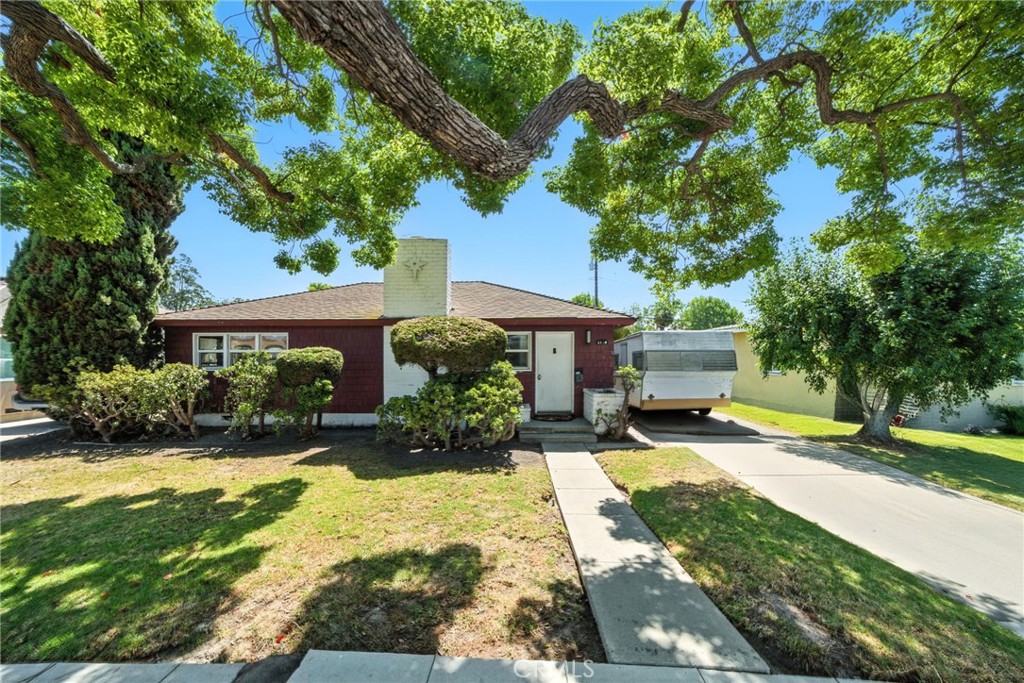
Step by Step: Selling a Conservatee’s Home in California
- Evaluate care and residence. The conservator documents the conservatee’s care needs and what it would take to stay at home, as part of the care plan (§2352.5).
- Talk with the conservatee. Discuss the proposed sale and note whether the conservatee supports or opposes it (§2540(b)).
- Notify the court early. File the §2540 notice before committing significant resources to the sale (§2540(c)).
- Give notice of any move. If the conservatee will be moved out of the home, deliver notice at least 20 days ahead, absent an emergency (§2352(e)(3)).
- Obtain authority. Through counsel, show a compelling need by clear and convincing evidence (§2541.5), and request independent power under §2591(c)(2) if appropriate.
- Get a current appraisal. Make sure the appraisal will be no more than six months old at the hearing (or at the contract date for an independent-power sale).
- Prepare and market the home. Secure, insure and present the property; publish notice of sale where required (§10300).
- Accept an offer at 90% or more of the appraised value, using court-sale contract terms buyers understand.
- Confirm or close. File the report of sale and petition for confirmation and attend the hearing, or, under independent power, close escrow and serve the final escrow statement within 15 days.
Expect the sale to run alongside the conservatorship case, not after it. Every county calendars hearings differently; our Orange County, Los Angeles County and San Diego County pages cover local court details. For the broader process, see our guide to selling conservatorship properties and the court-confirmation timeline.
What Should Conservators Watch For?
- Benefits and taxes. Turning a home into cash can change the conservatee’s tax position and eligibility for needs-based benefits. §2591.5 makes this an explicit part of the showing for independent-power sales; it is worth discussing with counsel and a CPA in any sale.
- Family objections. Any interested person, including relatives, can file written objections to confirmation of the sale (§10310(c)). A clean record of the conservatee’s wishes, alternatives considered and marketing efforts is the best answer.
- Carrying costs while waiting. A vacant home still needs insurance, utilities, security and maintenance. Programs such as Compass Concierge can front eligible improvements until closing instead of drawing on estate cash.
Frequently Asked Questions
Can a conservator sell the conservatee’s house without court approval?
Not without court involvement. Even a conservator with independent power to sell the residence must first meet §§2540, 2541 and 2541.5, and the court must have granted that specific power. Otherwise the sale is confirmed by the court at a hearing.
What if the conservatee does not want the house sold?
The conservator must report the conservatee’s view to the court, and the court may send the court investigator to talk with them. Opposition does not automatically block a sale, but the conservator still has to prove a compelling need by clear and convincing evidence.
Does the §2540 notice apply if the conservatee has already moved out?
Yes. The section covers the conservatee’s present or former personal residence, so a home the conservatee left for assisted living or a care facility is still covered.
How old can the appraisal be at the confirmation hearing?
For a conservatee’s residence, no more than six months old, unless the court finds it is in the conservatee’s best interest to rely on an appraisal up to one year old (§2543(c)).
Selling a conservatee’s home in Los Angeles, Orange or San Diego County? Talk with our attorney-led team before resources are committed, or request a free valuation to support the petition. Learn more about our conservatorship sales services.
This article is for general information only and is not legal or tax advice. Consult a qualified attorney about your situation.