Probate
What Happens to a Mortgage When the Owner Dies in California?

When a homeowner dies in California, the mortgage does not go away and it does not pass to the heirs as a personal debt. The loan stays attached to the house, and someone has to keep it current until the property is sold, refinanced or kept by a family member. Federal law generally stops the lender from calling the loan due just because the house passed to a relative or a trust beneficiary, so families usually have time to decide what to do.
Key takeaways
- The loan stays with the house: the deed of trust remains a lien on the property after death.
- Heirs aren't personally liable for the loan unless they co-signed it, but the house is at risk if payments stop.
- Due-on-sale is limited: for homes of one to four units, federal law bars lenders from accelerating the loan on certain transfers at death.
- Most estates pay it off in escrow when the executor or trustee sells the home.
Does the Mortgage Have to Be Paid Off When the Owner Dies?
No, not immediately. A California home loan is secured by a deed of trust recorded against the property. When the borrower dies, that lien stays on the house, and the estate (or the trust, if the home was held in a living trust) owns the property subject to it.
Two rules give families breathing room:
- Federal due-on-sale limits. Under the Garn-St Germain Act, 12 U.S.C. §1701j-3(d), a lender on residential property with fewer than five dwelling units may not use a due-on-sale clause because of certain transfers. These include a transfer to a relative resulting from the borrower’s death, a transfer by devise or descent, and a transfer into a living trust in which the borrower is and remains a beneficiary.
- Servicer duties to successors. Federal mortgage servicing rules require servicers to have procedures to identify and communicate with a deceased borrower’s “successor in interest” (12 CFR §1024.38(b)(1)(vi)). Once confirmed, the successor is treated as a borrower for most servicing rules (12 CFR §1024.30(d)), so they can get loan information and apply for help such as a loan modification.
None of this pauses the payments. Interest keeps accruing, and if the loan goes into default the lender can foreclose, just as it could while the owner was alive.
Who Is Responsible for the Mortgage After Death?
Responsibility depends on how the house was held and who signed the note.
| Situation | Who deals with the loan | How it typically ends |
|---|---|---|
| House goes through probate | The executor or administrator, once Letters are issued | Paid off from sale proceeds in escrow, or the heir keeps the house subject to the loan |
| House held in a living trust | The successor trustee | Paid off at sale, or the beneficiary keeps the home and the loan |
| Joint tenancy or community property with right of survivorship | The surviving owner | Survivor keeps paying; the transfer at death doesn’t trigger due-on-sale |
| A co-borrower is still alive | The surviving co-borrower, who remains personally liable | Same as before the death |
| Reverse mortgage | The executor, trustee or heirs | Generally becomes due after the last borrower dies; separate timelines apply |
Children and other heirs who did not sign the note do not become personally responsible for the loan. What they inherit is the equity, meaning the home’s value minus the loan and other liens. If no one keeps the payments current, that equity is what’s at risk.
Does an Heir Who Inherits the House Inherit the Mortgage Too?
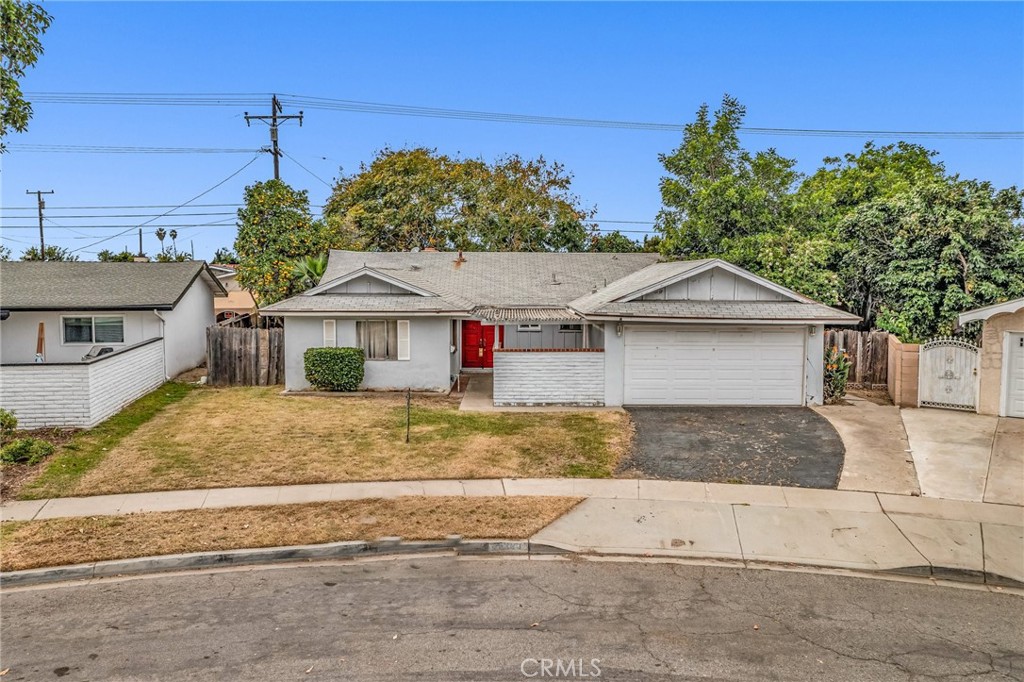
The heir takes the house with the loan on it. California’s default rule is that a specific gift of real property in a will or trust passes subject to any mortgage or deed of trust that existed at death, without a right to have the estate pay it off, even if the will has a general instruction to pay debts (Probate Code §21131). A will or trust can say otherwise, which is one more reason to read the documents with your estate attorney before deciding anything.
An heir who wants to keep the home usually has three paths:
- Keep paying the existing loan. Because of the federal due-on-sale limits above, a relative who inherits a one-to-four-unit home can often keep the original loan, rate and term.
- Refinance into their own name, often to buy out siblings or other beneficiaries.
- Buy the house from the estate or trust at fair market value, with financing, so the other beneficiaries are paid their share.
If several heirs inherit together and only one wants the house, the loan becomes part of a larger conversation about value, buyouts and who carries the costs in the meantime. Our guide to selling a home in a trust covers how trustees handle these situations.
What Happens to the Mortgage in a California Probate?
In probate, a mortgage lender is a secured creditor. It can choose to enforce its lien against the house, through foreclosure if necessary, without filing a creditor’s claim in the probate, but only if it gives up the right to recover any shortfall from the estate’s other assets (Probate Code §9391). In practice, most lenders simply want to be paid, and the cleanest way to pay them is a sale.
When the executor or administrator sells an encumbered property, the Probate Code sets the order for applying the sale proceeds: the estate’s administration expenses connected to that property, then the costs of the sale, then the payoff of the lien, then anything left over goes to the estate (Probate Code §10361). The lien stays on the property until the purchase money has been applied to it. Practically, escrow requests a payoff demand from the servicer and pays the loan at closing.
The sale can happen under full authority with a Notice of Proposed Action, or under limited authority with court confirmation. Our full vs. limited authority guide explains both, and our post on how long probate takes in California shows where the sale fits in the overall timeline.
What Should an Executor or Trustee Do About the Mortgage First?
- Find the loan documents. Look for the most recent mortgage statement, the deed of trust and any home equity line of credit, which is a separate lien.
- Notify the servicer in writing. Provide the death certificate and proof of your authority (Letters Testamentary or Letters of Administration, or the trust and a certification of trust).
- Keep the loan current if the estate can. Missed payments add late fees and, eventually, foreclosure risk that erodes the beneficiaries’ equity.
- Confirm insurance and property taxes. If there is no impound account, these are on you. A vacant home often needs a vacancy policy.
- Get a valuation. Knowing the equity tells you whether selling, refinancing or a beneficiary buyout makes sense. Our free home valuation is a starting point; probate estates also receive a referee’s appraisal.
- Talk to your trust and estate attorney before using estate funds for a large payment, or if the estate may not be able to cover its debts.
What If the House Is Worth Less Than the Mortgage?
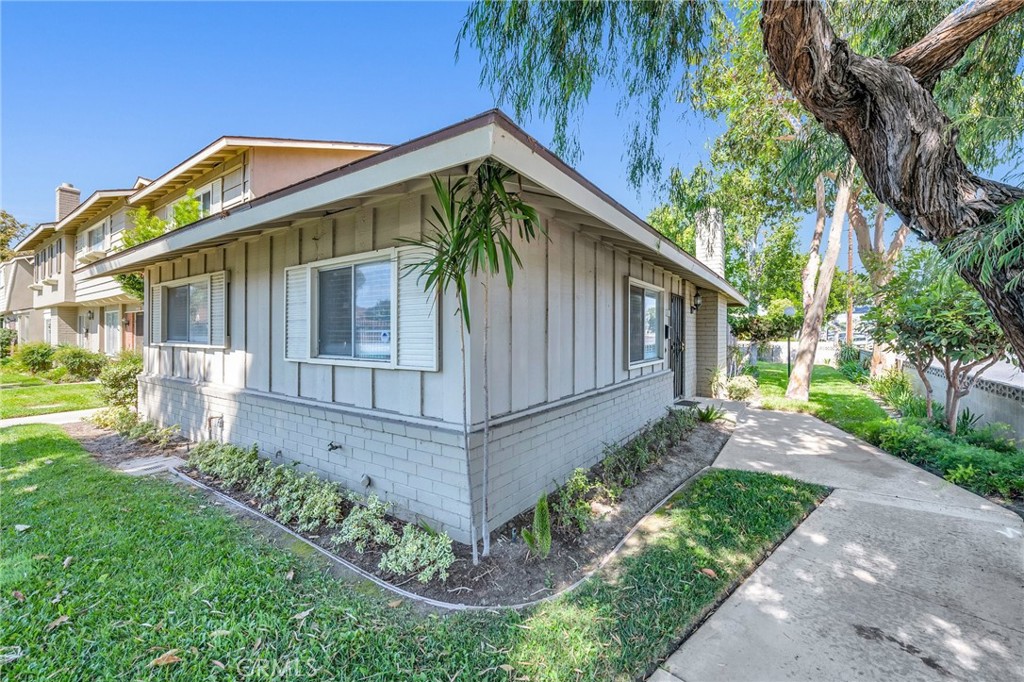
When the loan balance plus selling costs is more than the home is worth, the estate has limited options: ask the lender to approve a short sale, let the lender take the property back, or, rarely, use other estate assets to cover the difference. Each choice affects creditors and beneficiaries differently, and the right answer depends on the whole estate, so this is a decision for the fiduciary and their attorney, not the listing agent. Our role is to give an honest valuation and, if a short sale is the path, to market the property in a way the lender will approve.
Underwater estate homes are less common in Southern California, where many estate properties have been owned for decades and carry little or no debt. More often the question is how much equity there is and how quickly it can be put to work for the beneficiaries.
Frequently Asked Questions
Can the bank take the house when the owner dies?
Not because of the death alone. The lender keeps its lien, and if the payments stop it can foreclose. For one-to-four-unit homes, federal law generally prevents the lender from calling the loan due solely because the home passed to a relative or into a living trust at the borrower’s death.
Do I have to pay my parent’s mortgage out of my own money?
Not unless you co-signed the loan. Heirs aren’t personally liable for a deceased parent’s mortgage. But if no one pays it, the property can be lost to foreclosure, which reduces or wipes out what the heirs inherit.
Can I take over my parent’s mortgage?
Often, yes. A relative who inherits a one-to-four-unit home can usually keep the existing loan in place. Once the servicer confirms you as a successor in interest, you can get loan information and apply for loss-mitigation options. Talk to the servicer and your attorney about formally assuming the loan.
How is the mortgage paid off when an estate home is sold?
Escrow requests a payoff demand from the lender and pays the loan from the sale proceeds at closing. In a probate sale, the order of payment is set by Probate Code §10361. The remaining proceeds go to the estate or trust for distribution.
Handling a house with a mortgage in a probate or trust in Los Angeles, Orange or San Diego County? Talk with our attorney-led team about payoff timing, buyouts and sale strategy, or request a free valuation to see how much equity the property holds. Learn more about our probate sales and trust sales services, and our work across Orange County.
This article is for general information only and is not legal or tax advice. Consult a qualified attorney about your situation.